Love is as Love Does
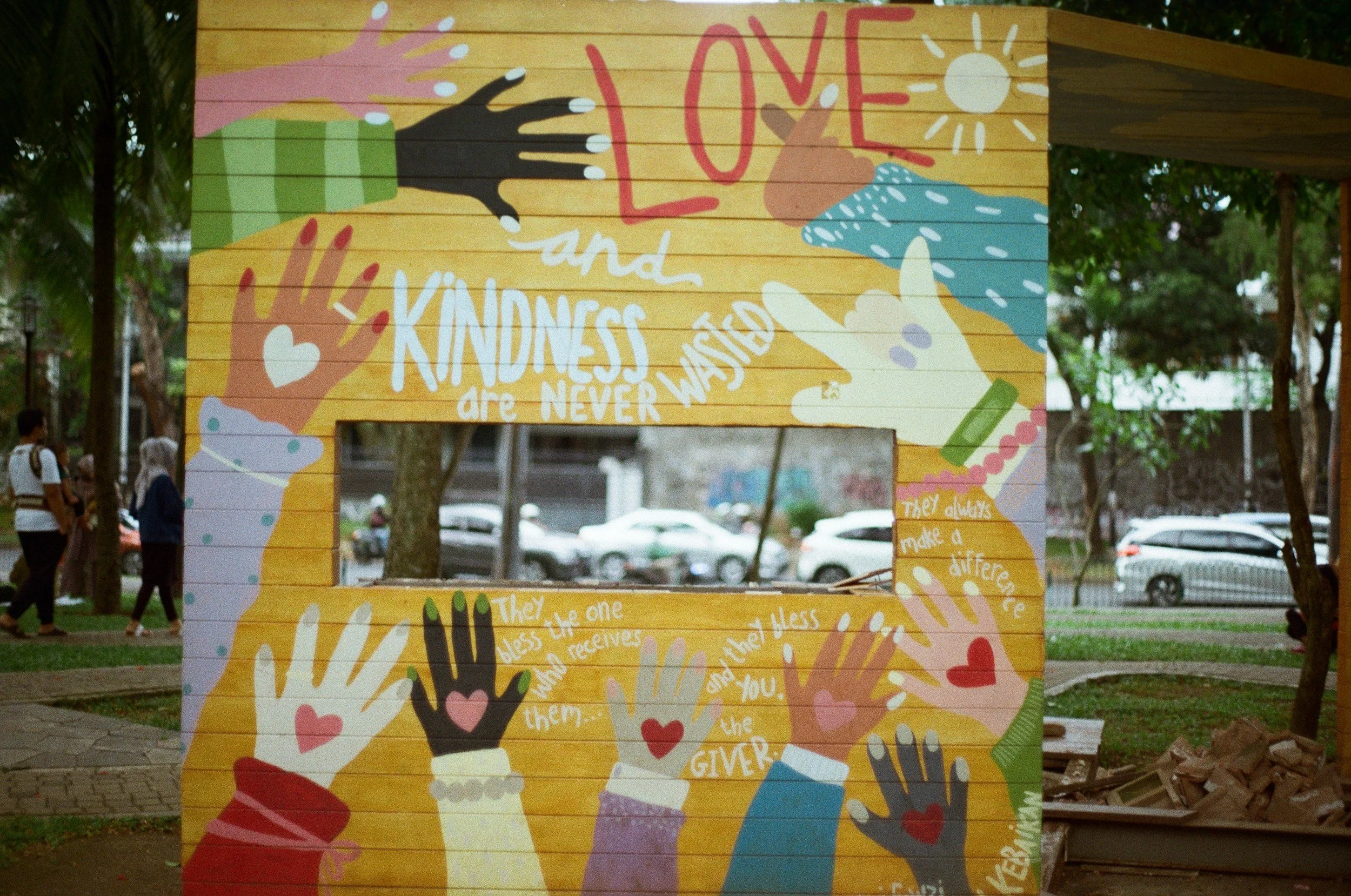
Photo Credit: Ditto Bowo
"Love is as love does. Love is an act of will—namely both an intention and an action. Will also implies choice. We do not have to love. We choose to love.” ~ M. Scott Peck
This year my guiding mantra in all aspects of my life is anything is possible. I also set an intention to write in the present moment, no themes. I had no idea what the subject matter of this week’s musings would be until I started reading Bell Hooks nonfiction work, All About Love. I chose this title to help me understand my daughter better but quickly discovered how absolutely phenomenal and important this piece of writing is for all people. Only a few pages in, I realized how much I still have to learn about the definition, nature, and practice of love.
“When I was a child, it was clear to me that life was not worth living if we did not know love.” This is the first sentence in Bell Hook’s preface to All Above Love. I felt this as a child, and still feel the same, although I wouldn’t go so far as to say life doesn’t feel worth living without it. Love has always been the guiding purpose and foundation of my happiness. Like Bell, I felt cherished from birth. Like Bell—and all of us at some time or another—I soon encountered grief, sadness, rejection and other feelings that stem from a lack of love.
I agree with Bell Hooks assertion that we can’t go back, only forward. But how? Like Hooks, it has been my experience that many people today believe love is for the naïve and the weak. I too have been called sentimental, silly and superficial. I was taught to believe that the mind, not the heart, is the realistic path to follow to understand how to live as a human being. Yet I believe both must be revered, that each perspective has meaning, and that we discover true wisdom in the balance, where the two intersect. Love heals our wounds, but our beliefs inform our actions.
Bell Hooks believes that part of the way forward requires that we have a more complex, complete and agreed upon definition of love. She describes love as a mix of various ingredients, including care, affection, recognition, respect, commitment, and trust. She writes that to express love, we must engage in honest and open communication. Yet most of us have been raised to believe love is a feeling, not an action, that we can’t be held accountable for our feelings, and therefore we can’t be held accountable for how we love.
What I know, is that love isn’t love when we hurt or neglect others. In my first marriage, I received this dysfunctional practice of love, which isn’t really love, except that it was love in the only way he knew. I have often wished I understood this basic principle about love before I chose him to be my husband and life partner. Yet I have witnessed many, many, people hurting and neglecting others while claiming to love them. Love and abuse cannot coexist any more than peace can stand alongside war or freedom be found where human rights are denied.
One of the statements in All About Love that resonated deeply with me was that the term dysfunction in relationships can be used as a useful description, without judgment. Identifying a relationship as dysfunctional does not require us to shame, blame, and condemn. It requires us to be accountable and to hold others responsible for their behaviours. The language we use is vitally important. When love is dysfunctional, it doesn’t mean there is no affection or care or kindness.
When our family members have not loved us in the full expression of Bell’s definition, we must remind ourselves not to take it personally. It isn’t our fault, or theirs. They could not give us what they didn’t receive, or what they don’t know how to give. Nobody can. Bell writes, “most of us find it difficult to accept a definition of love that says we are never loved in a context where there is abuse.” She believes most of us who have experienced abuse require some kind of therapeutic intervention to heal from our pain before we can let go and move forward. We need to be able to be vulnerable and ask for help if we have a goal of self-recovery and wellness.
I was so young when I started my family, I didn’t have this wisdom. Instead of altering the dysfunctional and abusive cycles of my past as I had hoped, they were passed down to my children. Going forward, I want to be a voice for change. I want to join Bell Hooks, and people like her, in the quest to create space for discussion and awareness about the practice of love in our culture. I want to invoke conversations, stir things up, and speak about uncomfortable things.
You do not need to be a believer in a religion, dear reader, to embrace the idea that there is life force I call a soul that enhances our capacity to be better. Let’s start by agreeing to think of love as an action rather than a feeling. Let’s start by agreeing to hold one another responsible and accountable for our actions without shame and blame. Let’s choose love and move forward together, as a united community. Let’s always remember, love is a love does.
COMING UP…
Books & Projects:
· In December 2025 I signed a contract with Austin Macauley Publishers for my manuscript, The Trials of Alex Anderson, a character-driven novel that explores the relationship between mental illness and trauma. I am now on the road to publication, with an expected release date near the end of 2026. I’ll be posting regular updates here on my blog and on social media, so stay tuned for exciting new developments.
· The Rogue Scorpion is available online at Amazon, Chapters-Indigo, and Barnes & Noble. You can also find it at select Chapters-Indigo and El Hombre de la Mancha bookstores.
Reviews & Interviews:
· You can read, listen, or watch a large selection of reviews and interviews on my website.
Events:
· There are no events currently scheduled in my calendar.
YouTube Channel:
WatchThe Rogue Scorpion trailer